


The Quiet Shift Toward Authentic Visual Narratives in Personal Reputation
The Quiet Shift Toward Authentic Visual Narratives
In the relentless hum of the digital age, we have become accustomed to the high-gloss finish. For years, the gold standard of personal reputation management was synonymous with polish—the perfectly staged headshot, the meticulously curated feed, and the strategic suppression of anything that looked remotely like a human flaw. But lately, there is a shift occurring, a quiet movement away from the manufactured and toward the meaningful. We are beginning to realize that a reputation built solely on a facade is as fragile as glass. Today, the most enduring personal brands are those rooted in authentic visual narratives.
Embracing the principles of minimalism in visual storytelling allows for a clearer connection, focusing the viewer's attention on your authentic self rather than the background.
Authenticity is a word often used but rarely understood. In the context of visual storytelling, it isn't about the absence of quality; it is about the presence of truth. It is the difference between a photograph that shows what you do and a portrait that reveals who you are. As we navigate an era of deepfakes and AI-generated perfection, the human eye has developed a subconscious hunger for the real—the slight imperfection, the candid gaze, the story that feels lived-in.
The Illusion of the Polished Surface
For a long time, we believed that to be professional was to be sterile. We scrubbed our visual identities of any personality, fearing that vulnerability would be mistaken for weakness. However, in the realm of online reputation, this approach has begun to yield diminishing returns. When everyone is using the same filters and the same stock-image aesthetics, no one stands out. More importantly, no one is trusted.
A reputation is, at its core, a promise of consistency. When your visual narrative is overly polished, you set an impossible standard that creates a disconnect between the digital avatar and the physical human. The shift toward authenticity is a recognition that people do not connect with logos or curated highlights; they connect with other people. By embracing a more reflective, honest approach to imagery, we allow our audience to find a point of resonance.
Why Authenticity Resonates More Than Perfection
Why does a raw, black-and-white photograph often carry more weight than a high-production studio shoot? It is because the former invites a dialogue, while the latter demands an audience. Authentic visual narratives work because they bridge the gap between the observer and the subject. They suggest a narrative that extends beyond the frame.
The Elements of an Authentic Visual Narrative
When we move away from the 'trending' and toward the 'timeless,' we focus on elements that speak to the soul rather than the algorithm. These elements include:
- The Power of Subtlety: Allowing the environment and lighting to tell a story without over-explaining the subject's intent.
- Emotional Honesty: Capturing expressions that aren't practiced—a moment of contemplation, a genuine laugh, or a look of focused determination.
- Texture and Context: Showing the tools of the trade, the workspace, or the environment that shapes the individual's perspective.
- Intentional Minimalism: Stripping away the distractions to focus on the essence of the person, ensuring the image remains powerful years after it was taken.
These components do more than just look good on a website; they build a foundation of trust. They signal to the world that you are comfortable enough in your own skin to be seen as you are. This is the ultimate power move in personal reputation management.
Building a Reputation That Outlasts the Feed
The fast-paced nature of social media encourages us to think in terms of minutes and hours. We post for the immediate hit of engagement. But a personal reputation is a long-term asset. It is the sum of every interaction, every word, and every image associated with your name over decades. When we choose timeless visual storytelling over fleeting trends, we are investing in our future selves.
Reflecting on our visual narrative requires us to ask difficult questions: Does this image reflect my values? Does it tell the story of my journey, or just the destination? Am I hiding behind a brand, or am I leading with my humanity? These questions are the compass that guides us toward a more authentic online presence.
The Role of the Visual Storyteller
In this shift, the role of the photographer changes. They are no longer just a technician with a camera; they become a biographer of the visual self. At Santu Mofokeng, we believe that every frame should be a chapter. Our process isn't about masking the individual but about unearthing the layers that make their story unique. This collaborative exploration is what transforms a simple image into a cornerstone of a personal reputation.
Conclusion: The Courage to Be Seen
The shift toward authentic visual narratives is, ultimately, a call for courage. It takes courage to step away from the safety of the 'perfect' image and allow for something more profound. Yet, the rewards are significant. In a world of noise, the quietest, most honest voices are often the ones that carry the furthest.
As you consider your own personal reputation, look beyond the metrics of the moment. Think about the story you are telling through the lens. Is it a story of a moment, or a story of a lifetime? By choosing authenticity, you aren't just managing a reputation; you are honoring your truth, creating a visual legacy that remains relevant long after the trends have faded into the background.


Timeless Over Trending: Why Enduring Imagery Matters in a Fast Visual World
In an age where visual content floods every screen and trends shift faster than they can be named, the notion of timeless imagery feels almost radical. The modern visual landscape rewards immediacy—what’s viral, clickable, and algorithm-friendly. Yet, true artistry resists the pace of the feed. Timeless imagery doesn’t chase attention; it commands it through honesty, restraint, and depth.
1. The Age of Visual Noise
Today, billions of images circulate online daily. Social platforms have turned photography into a constant stream of stimuli—fleeting, repetitive, and easily forgotten. While this democratization of visuals is powerful, it also creates saturation. In this environment, style often overshadows substance.
Trending aesthetics—filters, color palettes, post-production tricks—dominate because they promise instant recognition. But what happens when visual style becomes formulaic? The audience scrolls on. The image is consumed, not remembered.
Timeless photography, in contrast, cuts through the noise. It refuses to compete with volume. It holds stillness in a world that won’t stop moving.
2. The Essence of Timelessness
Timeless imagery isn’t about nostalgia—it’s about clarity of intent. It transcends trend by grounding itself in emotional truth and human experience. A photograph becomes timeless when it resonates beyond its era—when light, composition, and subject merge to reveal something universal.
Great photographers don’t capture moments for the present—they document emotions that outlive time. The best images make you pause not because they are current, but because they are true.
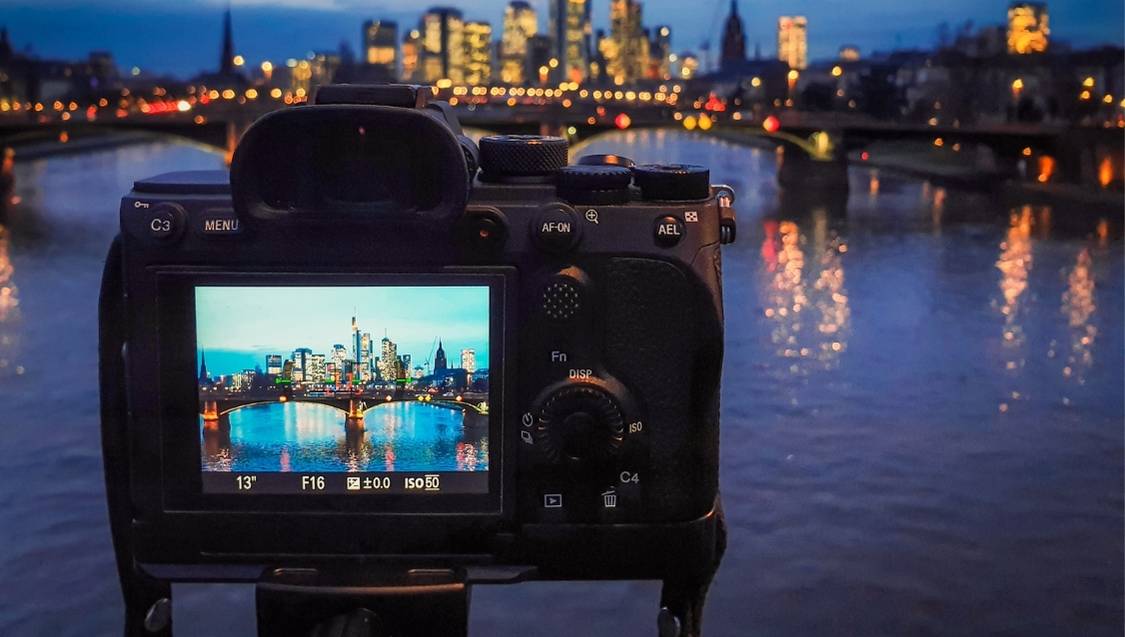
3. Depth Over Decoration
In the fast visual economy, attention is the currency. This has led many creators to over-design—to chase aesthetics rather than meaning. The irony is that minimalism, patience, and quiet observation often achieve what flashy visuals cannot: lasting impact.
Enduring images rely on depth, not decoration. They are built on layers of context, narrative, and subtlety that invite the viewer to engage rather than simply glance.
Trends fade because they rely on repetition. Timelessness endures because it relies on understanding.
4. The Photographer’s Responsibility
Photographers have a choice—to reflect the noise or to reveal the silence beneath it. Creating enduring imagery requires discipline: choosing restraint when excess sells, seeking authenticity when imitation dominates.
This doesn’t mean rejecting evolution or technology. It means using modern tools with intent, ensuring that innovation supports meaning rather than replaces it. The goal isn’t to be fashionable—it’s to be relevant across generations.
5. The Quiet Power of Permanence
An enduring image lingers. It grows with the viewer. Its relevance doesn’t depend on hashtags or filters but on emotional architecture—the unseen geometry of truth and beauty.
In a culture obsessed with immediacy, timeless photography reminds us that slowness is strength. To endure is to matter.

From Concept to Capture: The Creative Process Behind Every Frame
Behind every striking image lies more than a click of the shutter—it’s the culmination of vision, preparation, intuition, and intent. The creative process in photography is not a linear act but a dialogue between imagination and observation. From concept to capture, every frame tells a story shaped by thought, feeling, and purpose.
1. Vision: The Birth of an Idea
Every powerful photograph begins with an idea. It might emerge from emotion, memory, social reflection, or a fleeting moment of inspiration. A strong concept gives direction and coherence—it defines what the image should communicate beyond what it shows.
At this stage, photographers ask critical questions:
- What do I want the viewer to feel?
- What truth am I trying to capture?
- What perspective or silence am I trying to reveal?
This conceptual foundation ensures that each visual choice—composition, color, or light—serves a deeper purpose rather than mere aesthetic value.
2. Research and Observation
Before the camera is even lifted, observation begins. Great photographers learn to see before they shoot—noticing textures, contrasts, and nuances in human behavior or natural light. Research helps refine the approach, especially in documentary or conceptual work.
Understanding the environment, culture, and emotional context of a subject allows photographers to capture authentic narratives rather than staged representations. True artistry lies in awareness—knowing when to wait, when to act, and when to simply watch.

3. Composition: Building the Visual Structure
Composition is where creative vision meets structure. Every frame is an act of design—balancing subject, space, and movement. The best compositions often feel effortless because they are the result of deliberate restraint.
Rule of thirds, symmetry, leading lines, and negative space are not constraints but tools to enhance emotional clarity. Great composition leads the eye naturally and builds tension or calm where the story demands it. It’s about guiding perception—not dictating it.
4. Light: The Emotional Catalyst
Light is the heartbeat of photography. Whether harsh, diffused, or fleeting, it dictates mood, depth, and rhythm. For many photographers, light is not just a technical component but a spiritual one—it reveals truth, conceals emotion, and shapes atmosphere.
Experimenting with time of day, shadow direction, and exposure can transform an ordinary scene into a powerful statement. The interplay between light and subject often determines whether a photograph speaks softly or strikes hard.
5. The Moment of Capture
The final act—pressing the shutter—is both instinct and calculation. A successful capture happens when preparation meets intuition. The photographer must be fully present, ready to respond to subtle changes in expression, movement, or energy.
This is where artistry transcends technique. It’s not just about taking a picture—it’s about recognizing the moment where meaning and motion align.
6. Reflection and Refinement
After capture, the creative process continues in reflection. Post-production, sequencing, and curation refine the message, ensuring that the final image aligns with the original concept. Editing is not correction—it’s translation, turning raw perception into coherent narrative.
The best photographers know when to stop, too. The goal isn’t perfection—it’s honesty.

Beyond the Lens: Why Minimalism Makes Images More Powerful
In a world saturated with visuals, the art of minimalism reminds us that less truly can mean more. From photography to digital design, minimalism is more than an aesthetic—it’s a philosophy that strips away the unnecessary to reveal raw emotion, pure form, and human truth. When applied to imagery, this approach transforms how we see, feel, and interpret visual narratives.
1. The Essence of Minimalism in Photography
Minimalism is not about emptiness—it’s about intention. Every element within a minimalist image exists for a reason. A single line, a faint shadow, or a quiet space can carry profound meaning when framed with purpose.
This style invites the viewer to pause and engage, rather than simply consume. By eliminating visual noise, minimalism allows the subject to breathe and the message to resonate. The simplicity draws attention not to what’s missing—but to what truly matters.

2. Emotional Depth Through Simplicity
Minimalism is often mistaken for detachment, yet it’s one of the most emotionally charged forms of expression. The restraint it demands amplifies the subtle power of mood, light, and silence.
A lone figure in a vast landscape can speak volumes about isolation, freedom, or reflection. Empty space becomes a language of its own—a quiet backdrop that amplifies emotion instead of drowning it in excess detail.
By focusing on the essentials, minimalist photography invites the audience to project their own emotions into the frame. It’s not prescriptive—it’s participatory.
3. Composition: The Strength of Subtraction
True mastery in minimalist imagery lies in the art of subtraction. Instead of asking “What should I add?”, the minimalist asks, “What can I remove?”
Every line, color, and object serves a deliberate function. Strong compositions rely on balance and negative space to guide the viewer’s eye. It’s about creating visual tension through absence, not abundance.
This discipline is what separates minimalism from simplicity. It’s a deliberate process—one that demands precision, patience, and the courage to let go of the unnecessary.
4. The Power of Light and Shadow
In minimalist imagery, light and shadow become protagonists. The absence of clutter allows the subtleties of illumination to tell the story. Whether it’s a single ray across a textured wall or the contrast of deep shadow against soft light, minimalism transforms light into emotion.
This sensitivity to light reminds us that the camera isn’t just a tool—it’s a translator of perception. It teaches us to see beyond what’s visible, to capture the feeling that exists between frames.
5. Why Minimalism Matters More Than Ever
In today’s hyper-visual culture, minimalism stands as quiet resistance. It challenges the chaos of overstimulation by inviting stillness and focus. For creators, it’s a return to authenticity—for audiences, it’s a refuge from distraction.
Minimalism proves that impact doesn’t require spectacle. Sometimes, the most powerful images whisper instead of shout.
By embracing minimalism, photographers and visual storytellers aren’t just simplifying—they’re deepening their connection with meaning itself.