
The Quiet Shift Toward Authentic Visual Narratives
In the relentless hum of the digital age, we have become accustomed to the high-gloss finish. For years, the gold standard of personal reputation management was synonymous with polish—the perfectly staged headshot, the meticulously curated feed, and the strategic suppression of anything that looked remotely like a human flaw. But lately, there is a shift occurring, a quiet movement away from the manufactured and toward the meaningful. We are beginning to realize that a reputation built solely on a facade is as fragile as glass. Today, the most enduring personal brands are those rooted in authentic visual narratives.
Embracing the principles of minimalism in visual storytelling allows for a clearer connection, focusing the viewer’s attention on your authentic self rather than the background.
Authenticity is a word often used but rarely understood. In the context of visual storytelling, it isn’t about the absence of quality; it is about the presence of truth. It is the difference between a photograph that shows what you do and a portrait that reveals who you are. As we navigate an era of deepfakes and AI-generated perfection, the human eye has developed a subconscious hunger for the real—the slight imperfection, the candid gaze, the story that feels lived-in.
The Illusion of the Polished Surface
For a long time, we believed that to be professional was to be sterile. We scrubbed our visual identities of any personality, fearing that vulnerability would be mistaken for weakness. However, in the realm of online reputation, this approach has begun to yield diminishing returns. When everyone is using the same filters and the same stock-image aesthetics, no one stands out. More importantly, no one is trusted.
A reputation is, at its core, a promise of consistency. When your visual narrative is overly polished, you set an impossible standard that creates a disconnect between the digital avatar and the physical human. The shift toward authenticity is a recognition that people do not connect with logos or curated highlights; they connect with other people. By embracing a more reflective, honest approach to imagery, we allow our audience to find a point of resonance.
Why Authenticity Resonates More Than Perfection
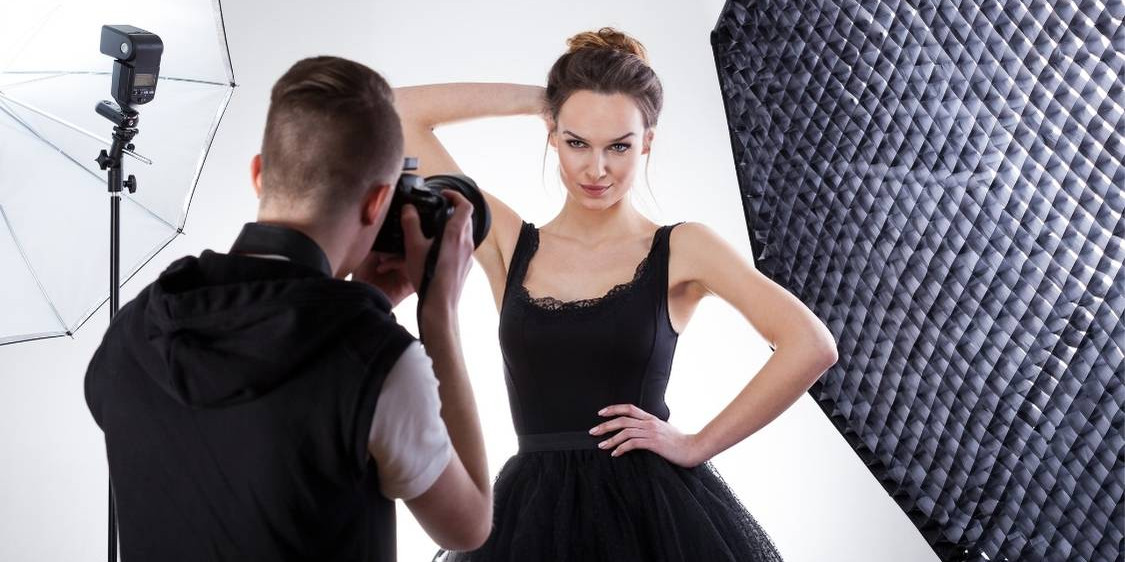
Why does a raw, black-and-white photograph often carry more weight than a high-production studio shoot? It is because the former invites a dialogue, while the latter demands an audience. Authentic visual narratives work because they bridge the gap between the observer and the subject. They suggest a narrative that extends beyond the frame.
The Elements of an Authentic Visual Narrative
When we move away from the ‘trending’ and toward the ‘timeless,’ we focus on elements that speak to the soul rather than the algorithm. These elements include:
- The Power of Subtlety: Allowing the environment and lighting to tell a story without over-explaining the subject’s intent.
- Emotional Honesty: Capturing expressions that aren’t practiced—a moment of contemplation, a genuine laugh, or a look of focused determination.
- Texture and Context: Showing the tools of the trade, the workspace, or the environment that shapes the individual’s perspective.
- Intentional Minimalism: Stripping away the distractions to focus on the essence of the person, ensuring the image remains powerful years after it was taken.
These components do more than just look good on a website; they build a foundation of trust. They signal to the world that you are comfortable enough in your own skin to be seen as you are. This is the ultimate power move in personal reputation management.
Building a Reputation That Outlasts the Feed
The fast-paced nature of social media encourages us to think in terms of minutes and hours. We post for the immediate hit of engagement. But a personal reputation is a long-term asset. It is the sum of every interaction, every word, and every image associated with your name over decades. When we choose timeless visual storytelling over fleeting trends, we are investing in our future selves.
Reflecting on our visual narrative requires us to ask difficult questions: Does this image reflect my values? Does it tell the story of my journey, or just the destination? Am I hiding behind a brand, or am I leading with my humanity? These questions are the compass that guides us toward a more authentic online presence.
The Role of the Visual Storyteller
In this shift, the role of the photographer changes. They are no longer just a technician with a camera; they become a biographer of the visual self. At Santu Mofokeng, we believe that every frame should be a chapter. Our process isn’t about masking the individual but about unearthing the layers that make their story unique. This collaborative exploration is what transforms a simple image into a cornerstone of a personal reputation.
Conclusion: The Courage to Be Seen
The shift toward authentic visual narratives is, ultimately, a call for courage. It takes courage to step away from the safety of the ‘perfect’ image and allow for something more profound. Yet, the rewards are significant. In a world of noise, the quietest, most honest voices are often the ones that carry the furthest.
As you consider your own personal reputation, look beyond the metrics of the moment. Think about the story you are telling through the lens. Is it a story of a moment, or a story of a lifetime? By choosing authenticity, you aren’t just managing a reputation; you are honoring your truth, creating a visual legacy that remains relevant long after the trends have faded into the background.